Planning · Sep 9, 2026
Egypt in winter: peak season, and why
The best sightseeing months of the year — and colder indoors than anyone packs for, because almost nothing has heating.
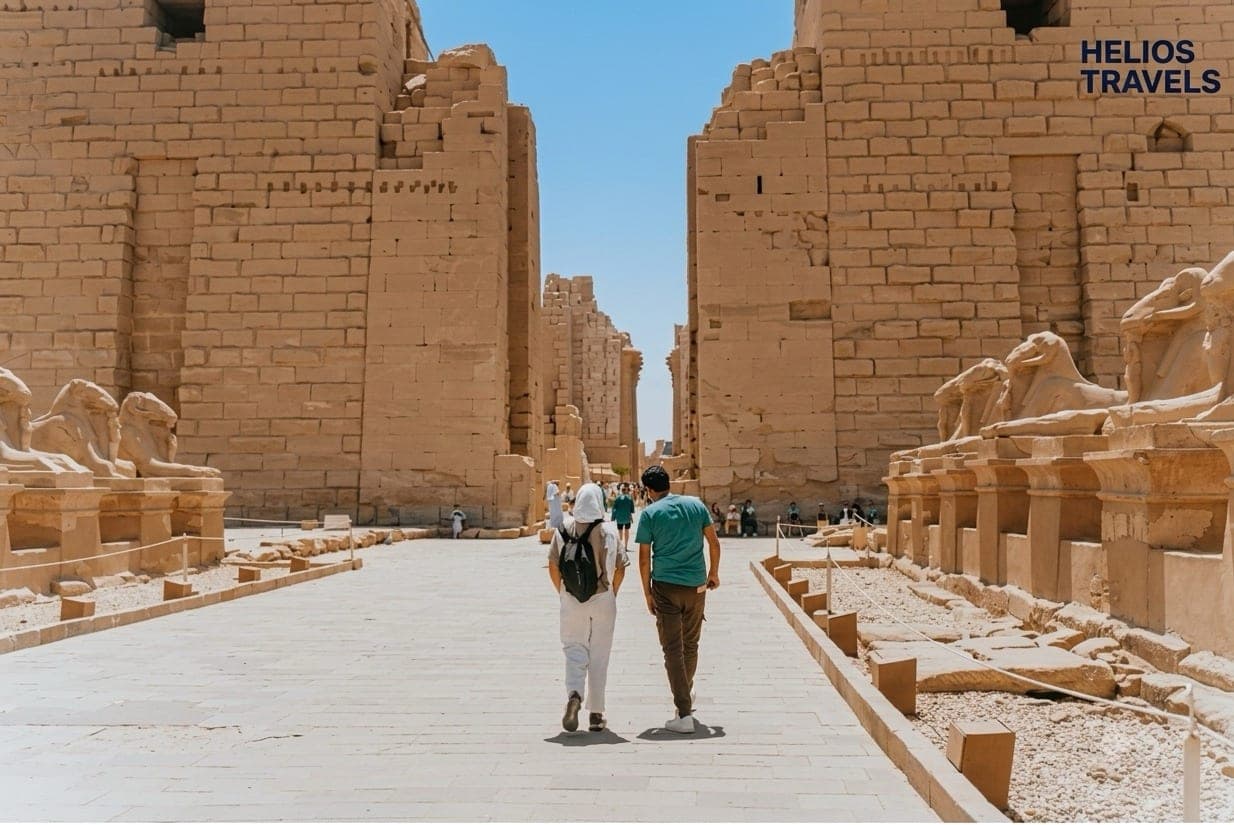
Winter is when Egypt is at its best for everything except swimming, and it is the season most misunderstood by people booking from northern Europe.
They expect warm. What they get is perfect for temples and colder indoors than they packed for — because almost no Egyptian building has heating, and the nights are genuinely cold.
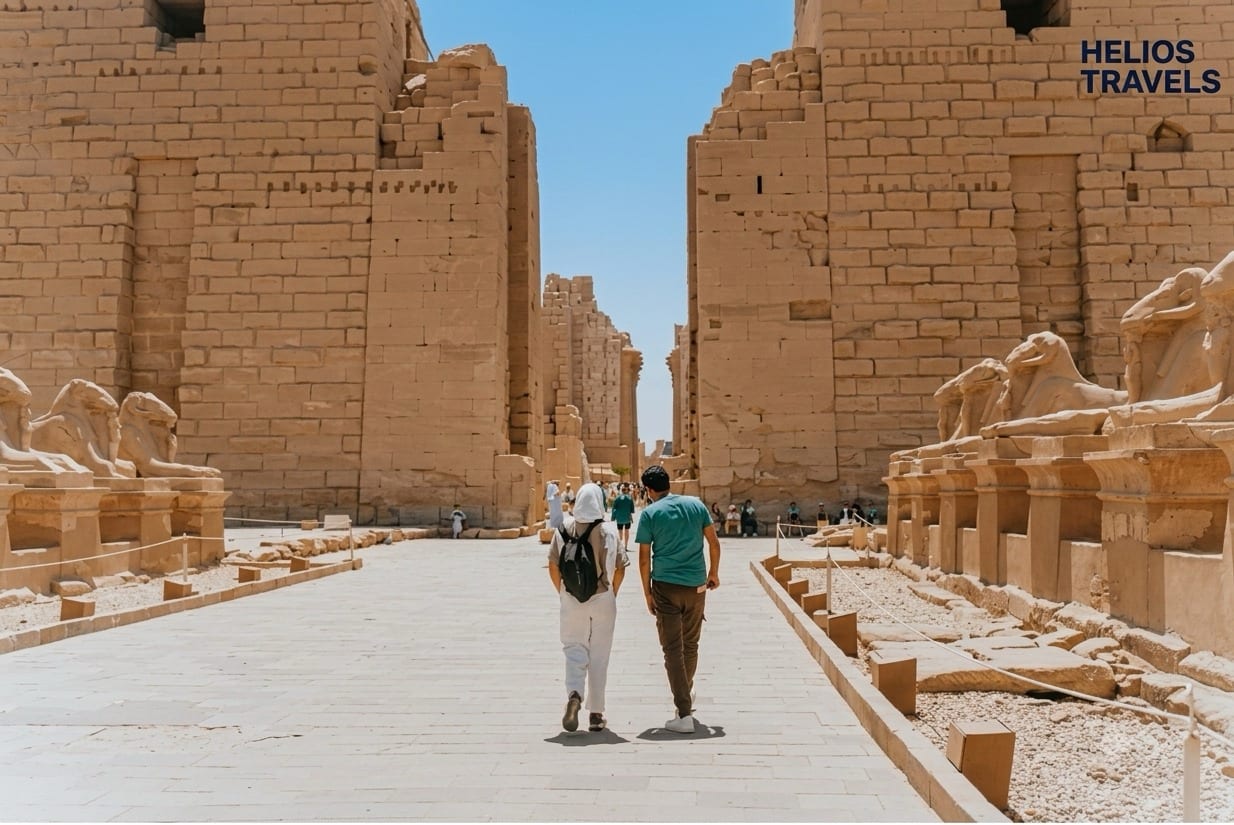
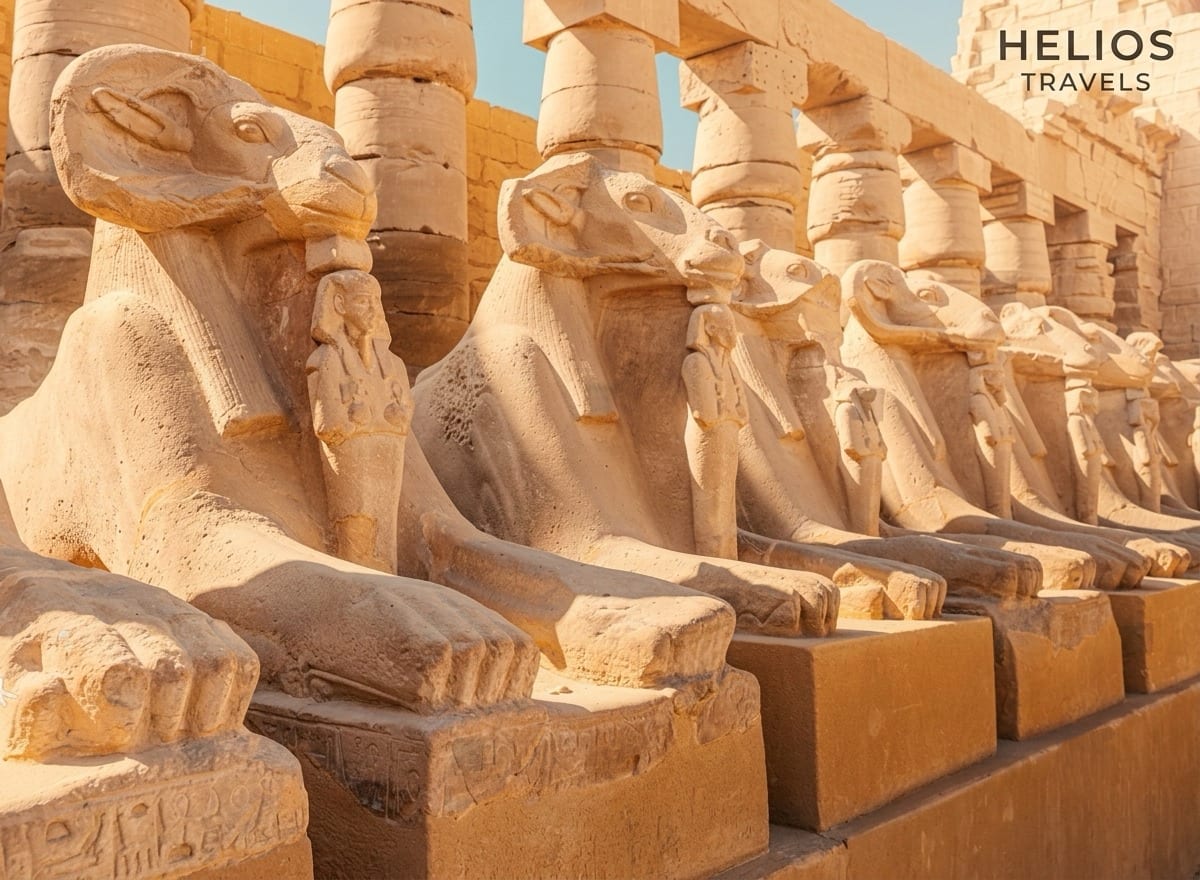
The Great Hypostyle Hall at Karnak Temple, Luxor
What winter actually means, by region
Egypt does not have one winter. It has three.
Cairo and the north are Mediterranean. Daytime highs around 19 °C, nights dropping into single figures. Bright, comfortable for walking, and cold after dark in a way that surprises people. Alexandria gets the occasional heavy downpour, and because the drainage is not built for rain, a wet day can gridlock the city.
Luxor and Aswan are the reason to come in winter. Daytime in the mid-twenties, dry, clear, and the sun low enough all day that the temples photograph beautifully. Dawn is the catch — it can be close to single figures at the Valley of the Kings gate at seven, and you will want a jacket you then carry all day.
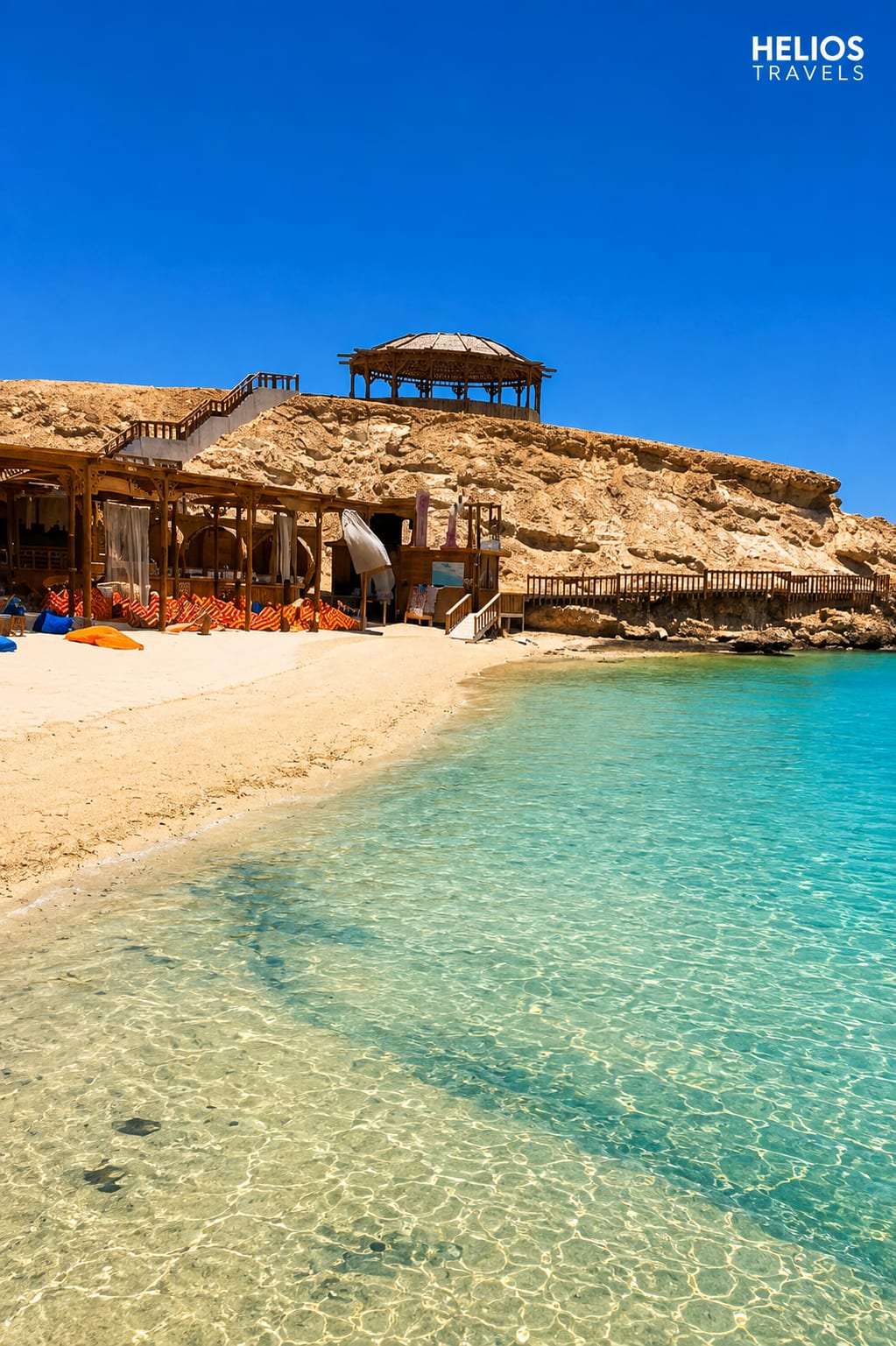
The Red Sea coast stays mild — comfortable on land, with air often in the low-to-mid twenties. The water is the variable: around 22 °C, which is swimmable and, for many people, cold after twenty minutes without a wetsuit.
The thing nobody packs for
Egyptian buildings are built to shed heat, not to hold it. Stone and tile floors, high ceilings, single glazing, and no central heating in the overwhelming majority of hotels, guesthouses, cruise cabins and restaurants.
The consequence is that a January evening indoors can be colder than the same evening outside, and it stays cold until the sun is properly up the next morning. Visitors who packed for "Egypt" and brought only summer clothes spend the trip wearing everything they own.
What actually helps:
- A proper jacket, not a cardigan. You will use it every evening.
- Layers, because the same day runs from 8 °C at dawn to 25 °C at noon.
- Socks and closed shoes for the evening, even if you live in sandals during the day.
- Something warm to sleep in if you are on a Nile cruise; cabins are cool at night and the heating, where it exists, is often nominal.
- A hat and sunscreen anyway. The winter sun is low but it is still Egypt, and people burn in December because they stopped believing they could.
What winter is best for
Temples and tombs, without qualification. The Valley of the Kings in January is a different experience from the Valley of the Kings in July: you can stand in the sun at midday, walk between tombs without rationing your energy, and spend an unhurried three hours where in summer you would manage ninety minutes. If antiquity is why you are coming, this is the season.
Cairo on foot. Al-Muizz Street, Coptic Cairo, the Citadel — all of them are walking, and walking Cairo in summer is punishing.
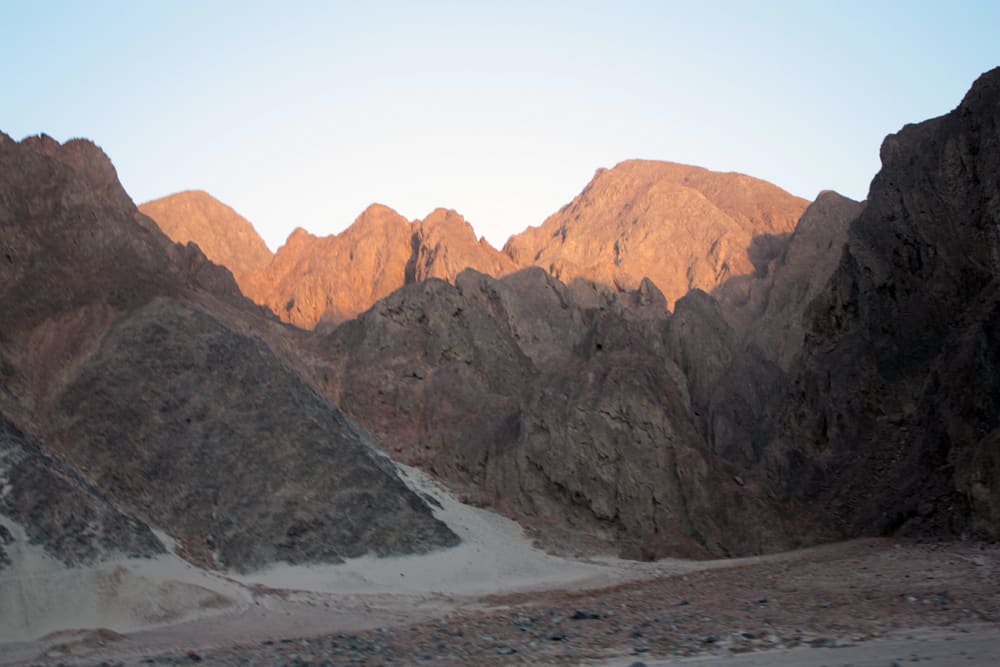
Desert and stargazing. Clear, dry air and long nights. Take a proper coat: the White Desert and the Eastern Desert get genuinely cold after dark, close to freezing on a still night, and a safari that was warm at sunset is not at nine.
Photography. The sun stays low, so you get long shadows and warm light most of the day rather than for one hour at each end.
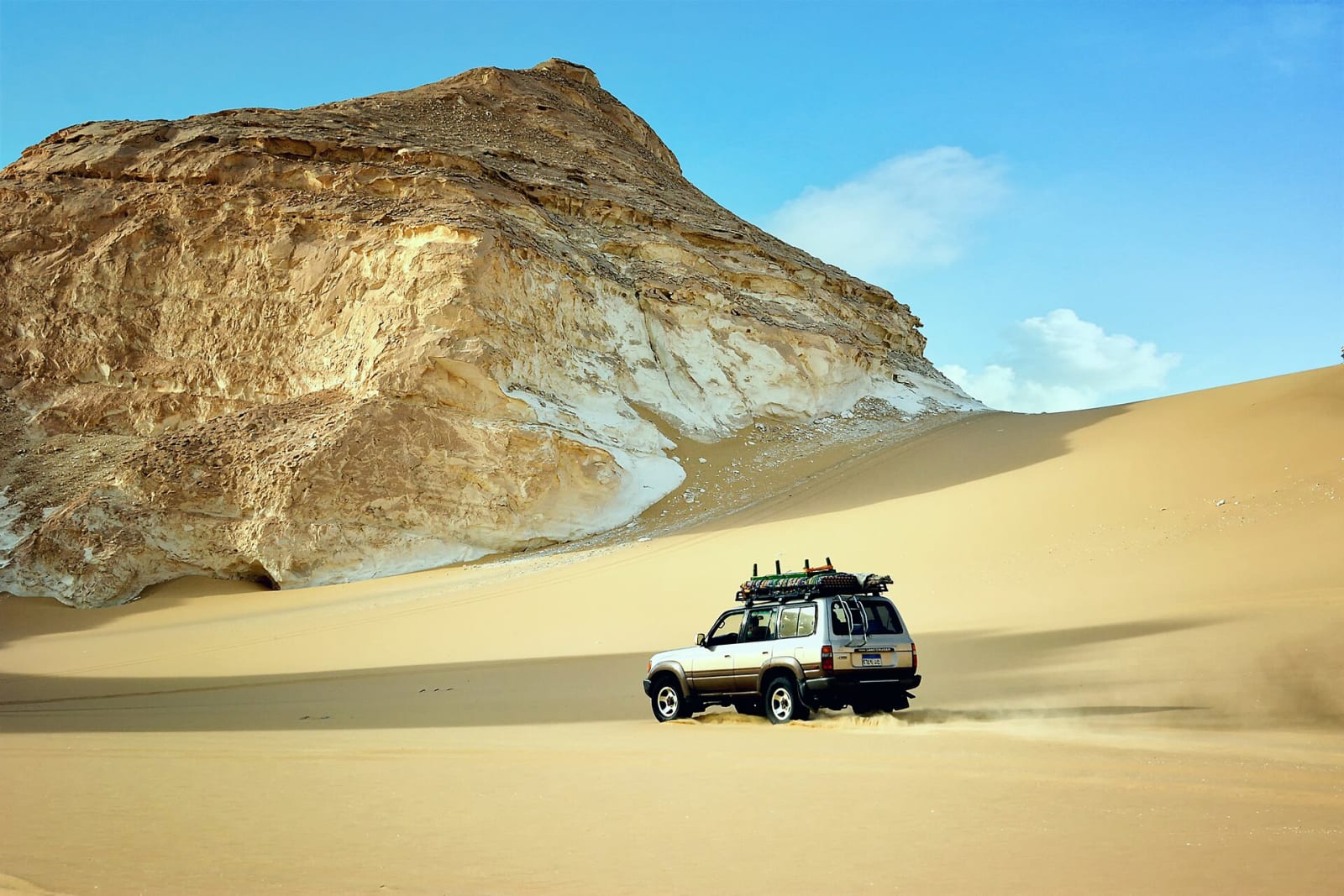
The chalk formations of the White Desert under a clear sky
What winter is worse for
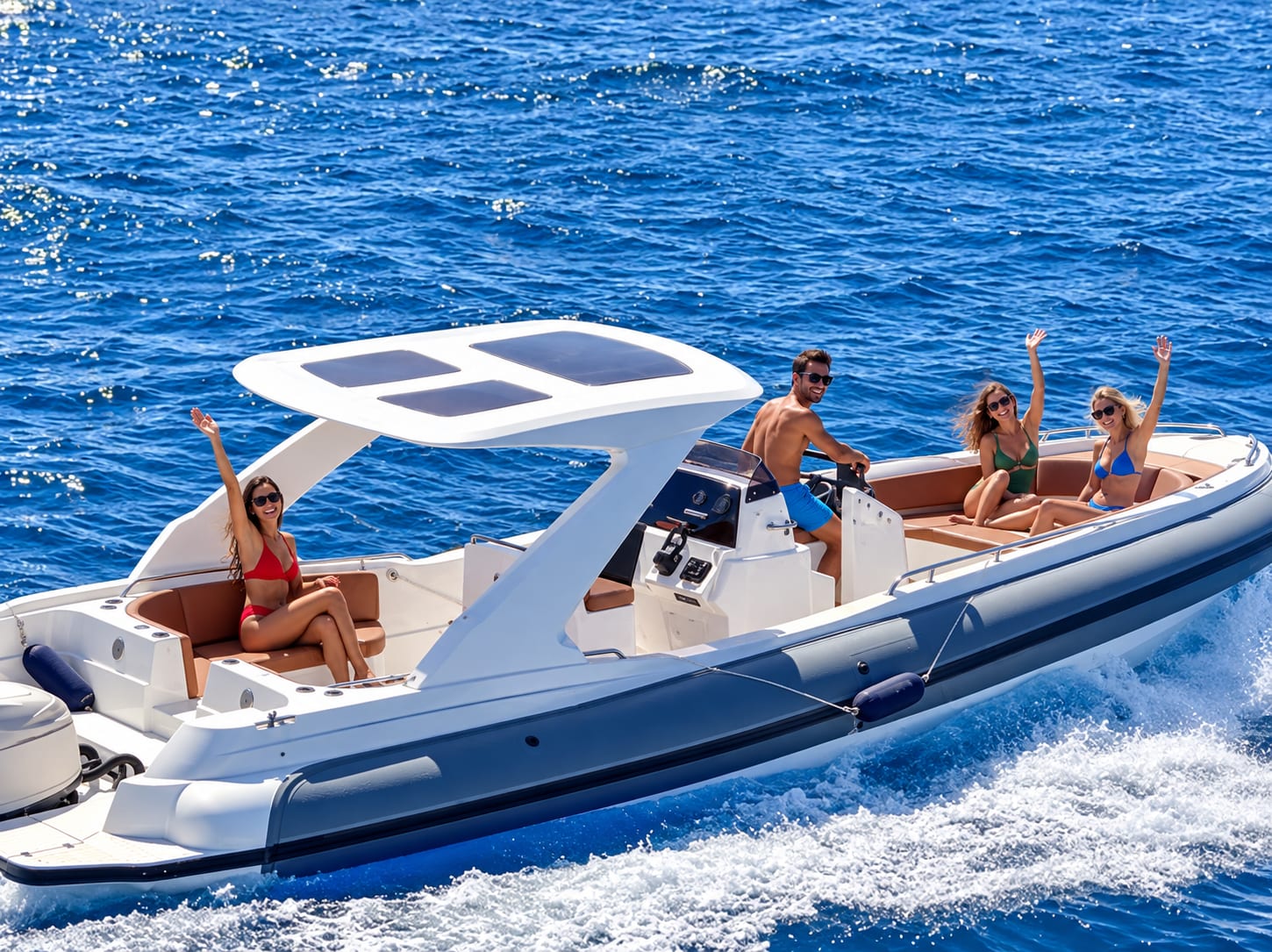
Swimming and snorkelling. Twenty-two degrees is not cold water by northern European standards, but you are in it for an hour, repeatedly, and the wind chill on a boat afterwards is the part that gets people. Ask whether a wetsuit is included; on many group trips it is a paid extra, and in January it is the difference between an hour in the water and ten minutes.
Crowds and prices. This is high season, and the peak within it — roughly the third week of December to the first week of January — is the most expensive and most crowded fortnight of the Egyptian year. Nile cruises and Red Sea resorts over Christmas and New Year need booking months ahead.
Short days. Dark by around five. It is not restrictive, but it does mean an afternoon that starts late is an afternoon largely wasted, and the west bank effectively closes when the light goes.
The dates that shape the season
- Mid-December to early January — peak. Highest prices, fullest sites, best weather, and a festive atmosphere in the resorts that some people love and others booked to avoid.
- 7 January — Coptic Christmas. Egypt's Christian community celebrates on this date, it is a public holiday, and churches in Coptic Cairo and the Red Sea monasteries are busy and worth seeing.
- Mid-January to February — the quiet sweet spot. Prices fall back, the weather is unchanged, and the sites empty out. If you are flexible, this is the best value in the whole high season.
- 22 February — the Abu Simbel sun festival, when the rising sun reaches into the sanctuary. Book far ahead.
Ramadan moves about eleven days earlier each year and drifts through the winter months over time — look up the dates for your travel year rather than assuming.
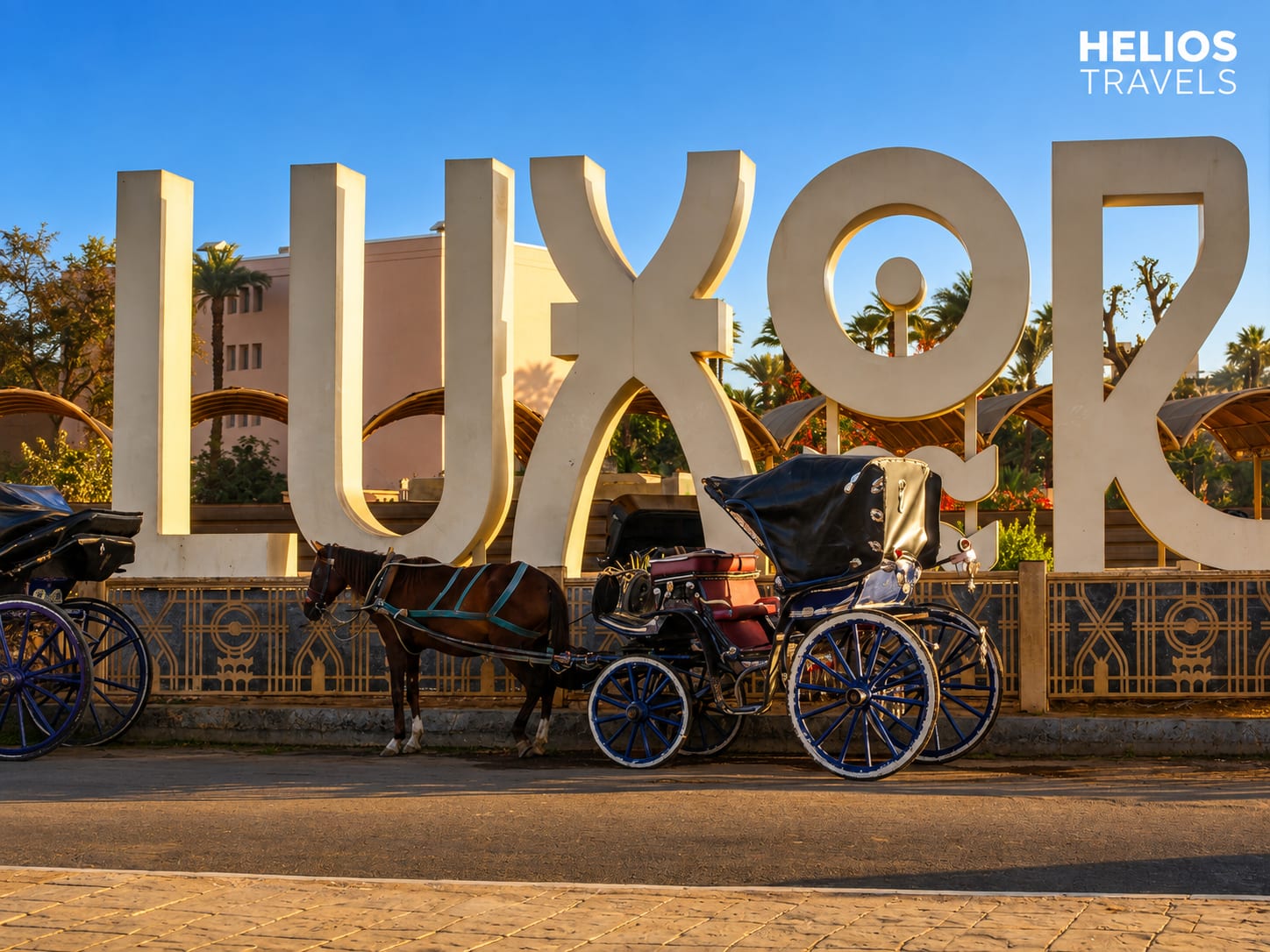
Luxor Temple illuminated after dark
How to plan a winter trip differently
The summer rules invert. In summer you front-load the day and hide at noon. In winter:
- You can use the middle of the day. Midday at Karnak in January is pleasant. This is the only season where a leisurely start does not cost you the site.
- Get an early start anyway, for the crowds. The reason to be at the Valley of the Kings at opening in winter is the coaches, not the heat.
- Put the sea in the middle of the day, not the morning. The water is warmest and the air is kindest between eleven and three.
- Plan for the evening. Long dark evenings are an opportunity — Luxor Temple lit after dark, the sound and light show at Karnak, a corniche dinner. In summer nobody wants to move at nine; in winter it is the nicest hour.
- Two sites a day is still a full day. The heat is not limiting you, but your attention still is.
What winter costs, and where the money goes
Winter is the most expensive season in Egypt, but the premium is concentrated rather than spread — and knowing where it sits lets you have the weather without paying the peak.
The premium is almost entirely mid-December to early January. Outside that fortnight, January and February are ordinary high-season pricing, and by early February the sites are noticeably emptier than in November while the weather is identical. If your dates are flexible, that is where the value is: the same winter, a third fewer people, and no festive surcharge.
Fixed-capacity things move first and hardest. Nile cruise cabins, internal flights and Luxor balloons are the line items that sell out and climb; hotels follow more slowly. So book those early even for a February trip, and leave the day excursions until you arrive.
What does not change with the season: entry tickets, tips, park fees and the daily cash drip. Those are the same in August as in January, and they are the part people forget to budget in either month.
The short answer
Come in winter if you are here for the temples, the desert or the cities. It is the best sightseeing season of the year and it is not close.
Come in autumn instead — late September to November — if swimming is a serious part of the plan, because the sea is at its warmest then and the sites are still comfortable.
And whichever winter month you pick: bring the jacket. Every year we meet visitors buying one in a Luxor market on their second evening, and every year they say the same thing — nobody told them Egypt got cold.
Book what you just read about
Tours from this article — private, with a licensed guide, and priced per person.
Luxor Day Tour — Karnak, Valley of the Kings & Free Nile Cruise
14 hours · Hurghada
$90/ person
See the tourPyramids, Sphinx & Grand Egyptian Museum
17 hours · Hurghada
$105/ person
See the tour
7-Day Private Egypt Tour — Cairo, Nile Cruise, Luxor & Abu Simbel
7 days · Hurghada
$1861/ person
See the tour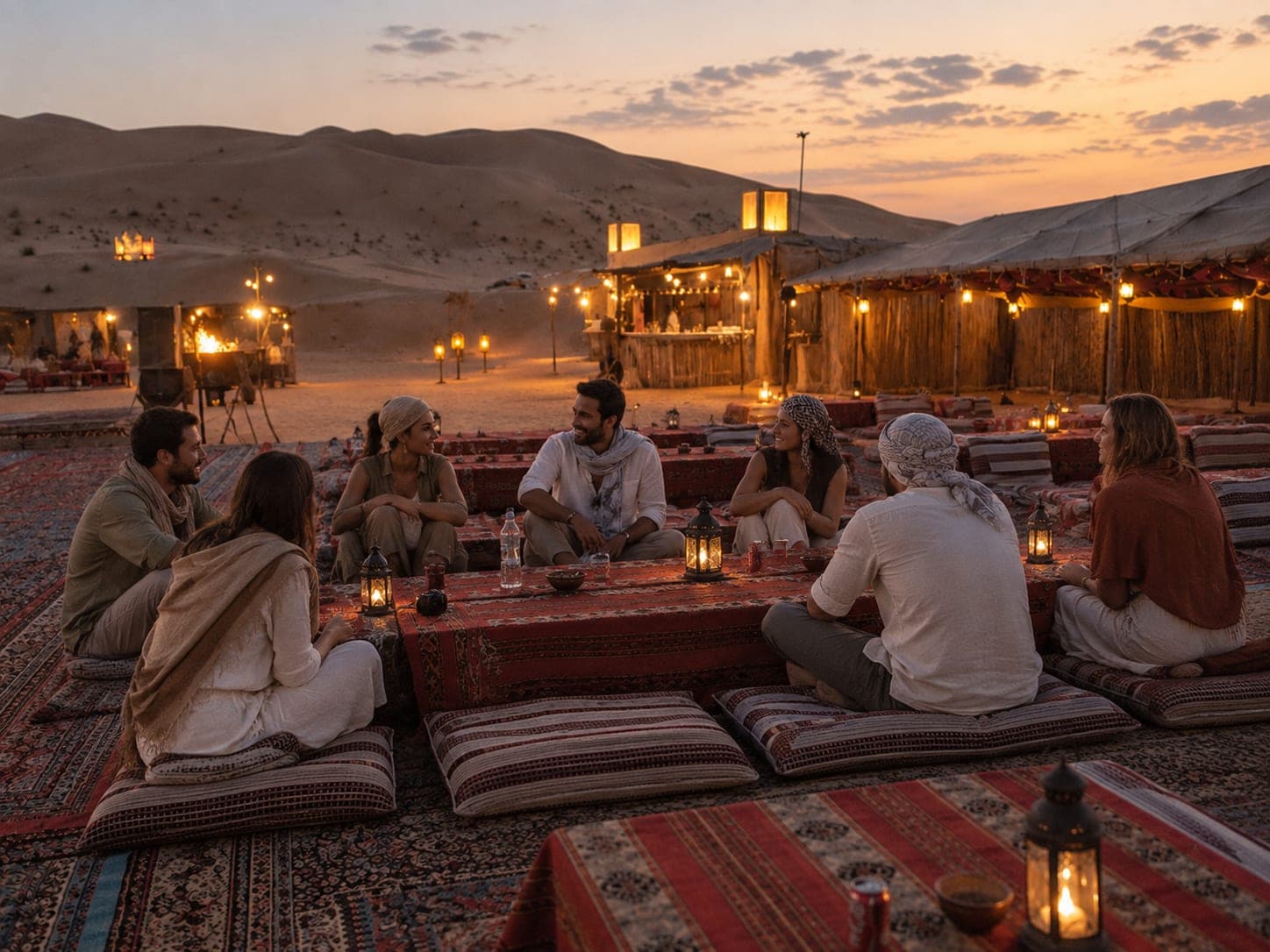
Desert Safari & Stargazing — Bedouin Dinner Under the Milky Way
6 hours · Hurghada
$76/ person
See the tour