Most Hurghada itineraries are a stack of boat days. That is a shame, because the land days are cheaper, they are what guests actually describe when they get home, and they are the only way to see the town that a quarter of a million people live in. This is how to build the other half of the week.
El Dahar: the old town, and when to go
El Dahar is the original Hurghada, a few kilometres north of the resort strip and a different city in tone. The souk runs along Sharia Sheikh Sabak, and it wakes up late — arriving in the afternoon heat means walking past half-shuttered stalls. Go after dark, when families are out and the temperature has dropped.
Dress is the one thing worth planning. This is a residential neighbourhood, not a resort: covered shoulders and knees make the evening more comfortable for everyone, and it noticeably changes how stallholders treat you.
What the souk is actually good for
- Spices — hibiscus (karkade), cumin and dried mint are genuine value and travel well.
- Cotton — Egyptian cotton is real, but so is polyester sold as Egyptian cotton. Feel the weight. If it is suspiciously light and suspiciously cheap, it is not cotton.
- Alabaster — the real pieces are translucent, cool and heavy. Resin copies feel warm and are uniformly coloured.
- Shisha and tea glasses — cheap, sturdy, and the least regretted souvenir we see.
The opening price is an invitation, not an insult. A relaxed counter at roughly a third, settling near half, is the normal shape of the conversation. If you do not want the item at any price, say so clearly and keep walking — browsing without intent is what creates the pushy encounters people complain about.
The marina after dark
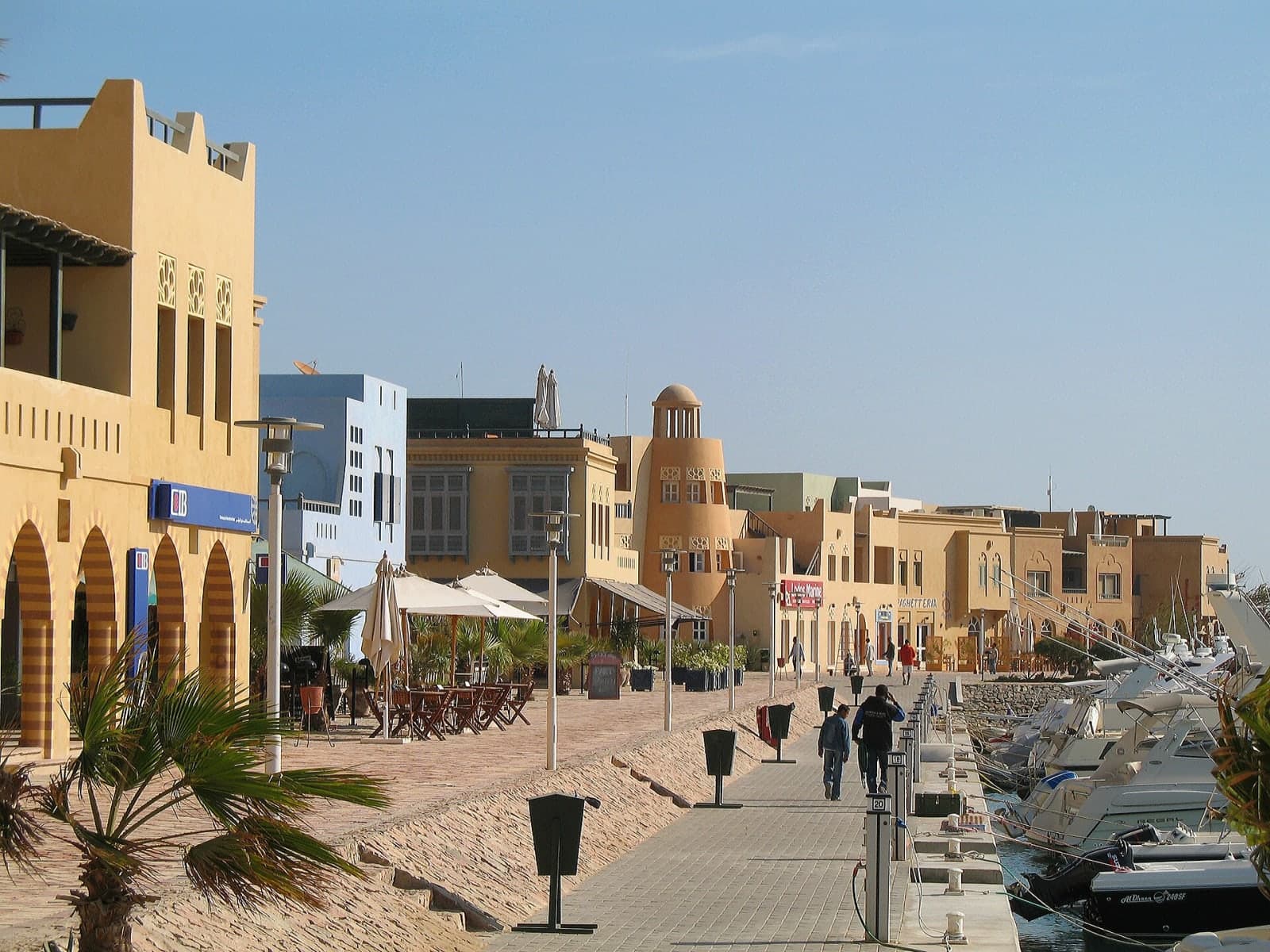
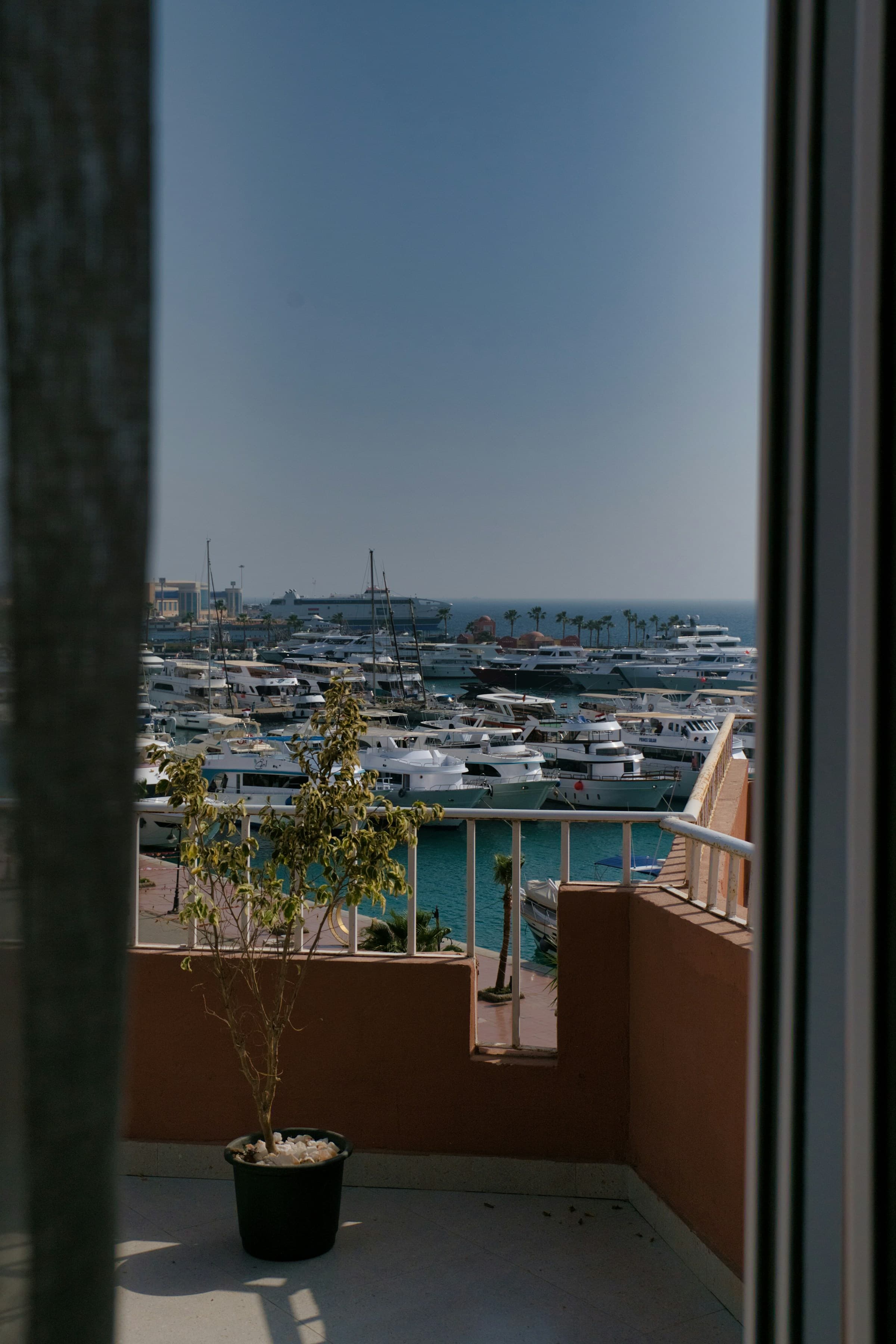
Hurghada Marina is the other evening, and it is a deliberate contrast: a paved waterfront, yachts, and a row of restaurants that stay open late. It is polished rather than authentic, and that is exactly why it works after a heavy touring day.
Book a table on Thursday and Friday evenings — the weekend here — or expect to wait. The quieter, more family-oriented tables are at the eastern end; the bars concentrate at the western end. Dress is resort-casual and nobody will look twice at shorts.
El Gouna, and the duty-free question
El Gouna is about half an hour north and feels like a different country: lagoons, low white architecture, and no hawking at all. It is the easiest half-day in the region, and the one we suggest for guests who found El Dahar overwhelming.
It is also where visitors go looking for the duty-free shop. Egypt allows arriving travellers to buy from in-country duty-free outlets for a limited period after landing, and you will need your passport showing the entry stamp. Both the time limit and the allowance change from time to time, so treat any figure you read online — this page included — as something to confirm on the day rather than plan a suitcase around.
Desert half-days that are not a quad convoy
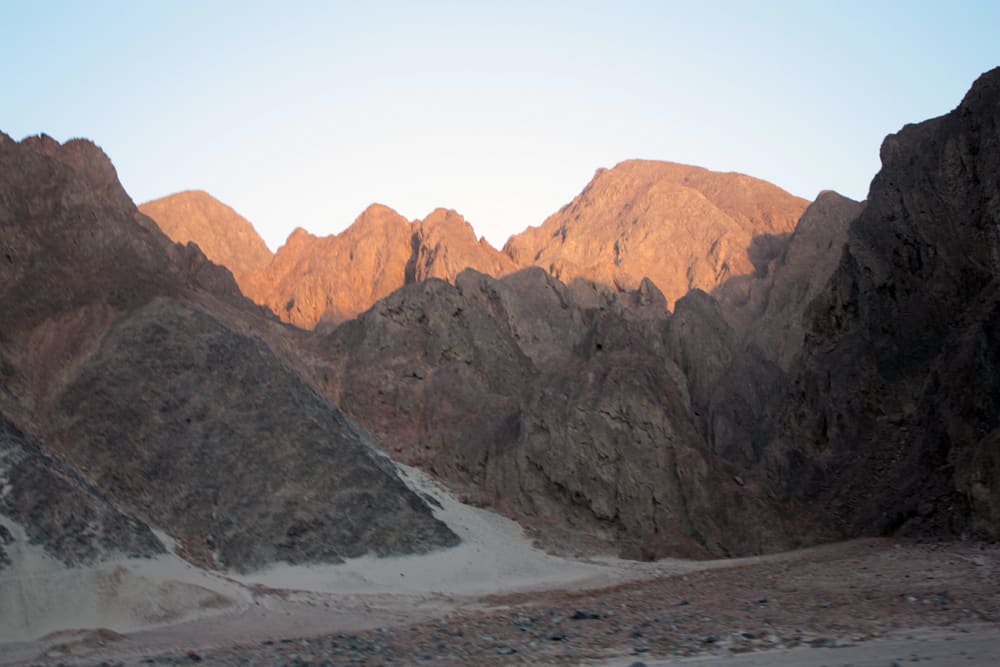
The standard desert trip is a large quad convoy riding through the dust of the bike in front, followed by a staged Bedouin dinner. It is cheap, it is fine, and it is not what the desert is.
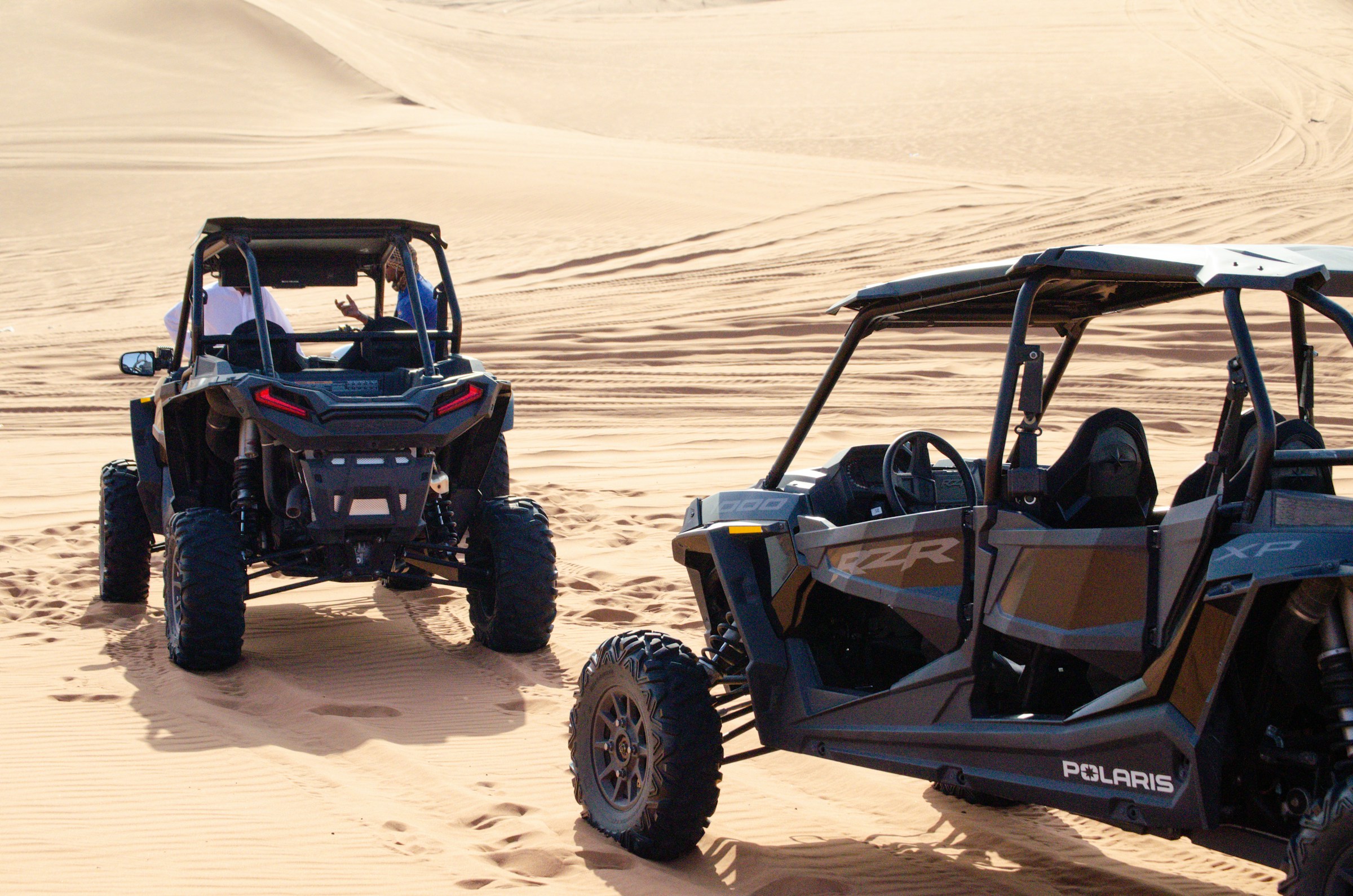
The alternatives are worth the small premium. A private buggy leaves when you want and stops where you want. A jeep run up to the Makadi ridge at sunset gets the light without the dust. A stargazing run an hour inland gets you a sky the resort strip cannot show you. If you do only one land activity all week, make it a sunset one — both the temperature and the colour are better late in the day.
A week that does not burn you out
- Arrival day — nothing. The flight, the transfer and the heat are enough.
- Day 2 — a boat day, while you are still enthusiastic.
- Day 3 — pool in the afternoon, El Dahar in the evening.
- Day 4 — the big excursion to Luxor or Cairo, which means a very early start.
- Day 5 — deliberately empty. This is the day people wish they had left free.
- Day 6 — desert sunset, marina dinner afterwards.
- Day 7 — a second boat day or El Gouna, depending on the wind.
Where to eat, away from the buffet
An article about leaving the resort that never mentions food is missing the easiest way to do it. You do not need a reservation or a plan — you need to know what to order.
- Koshari. Rice, lentils, macaroni, fried onions, tomato sauce, and a vinegar-garlic kick you add yourself. Egypt's national dish is vegetarian, costs a couple of euros, and the dedicated koshari shops in El Dahar do nothing else, all day, extremely well.
- Grilled fish, chosen from the ice. The way it works: you pick the fish, it is weighed and priced in front of you, and it comes back grilled with salads, bread and tahini. Agree the price at the ice, before it is cooked — not because anyone is trying it on, but because that is simply when it is decided.
- Fiteer. A layered pastry somewhere between a pancake and a pie, sweet or savoury. The sweet version with honey is the best cheap dessert in the country.
- Sugarcane juice. Pressed in front of you in the loudest machine on the street. Bright green, absurdly refreshing, and about fifty cents.
Two practical notes that cover most upset stomachs: drink bottled water, and be a little careful with raw salads outside busy restaurants. A restaurant with a queue of Egyptians in it has high turnover, which is the thing that actually matters. Fruit you peel yourself is always fine.
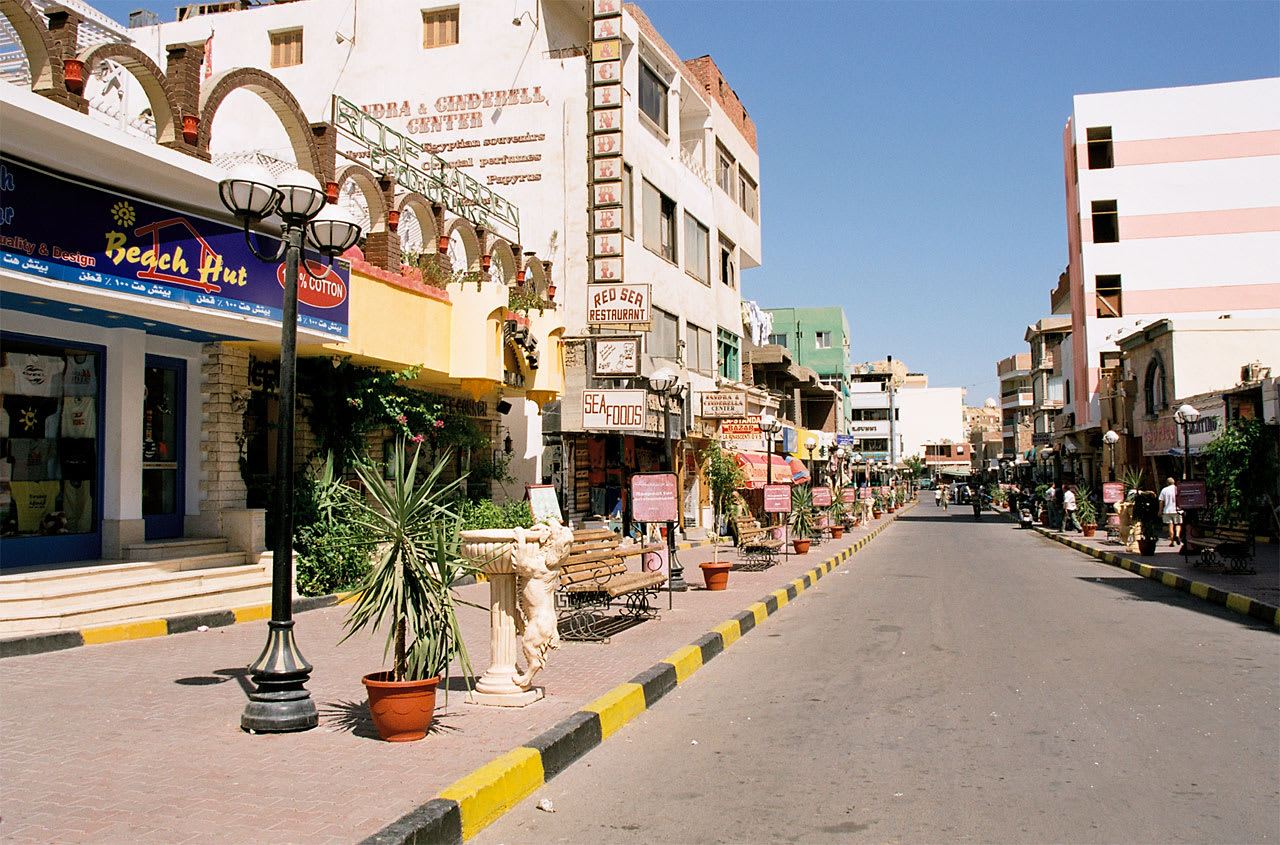
Street life in El Dahar, Hurghada's old town
When the wind cancels the boats
Nobody writes about this, and every regular visitor has had it happen. Hurghada gets sustained northerly wind, most often between roughly March and May. When it blows hard the port closes, and every snorkelling trip, dolphin excursion and island day goes with it — usually announced the evening before or at breakfast.
It is not a lost day unless you treat it as one. The wind is the reason the inland options exist, and they are genuinely better on those days:
- The desert is unaffected. Quad, buggy and 4×4 trips run in conditions that shut the harbour, and a breeze in the desert is a mercy rather than a problem.
- It is the right day for Luxor. A long inland drive to the Nile Valley is precisely how to spend a day the sea has cancelled — and the temples do not care about the wind.
- The old town and the marina are sheltered. El Dahar sits behind the headland; a windy afternoon in the souk is pleasant rather than punishing.
- The house reef often still works. Many hotel bays are protected enough to snorkel from the shore even when boats cannot leave the harbour. Ask at the dive centre rather than assuming.
The practical version: do not book the boat day for your last full day. Put it early in the week, keep one flexible day in reserve, and a cancellation becomes a rescheduling rather than a disappointment. Anyone who books the island trip for the day before they fly and loses it to weather has no second chance.
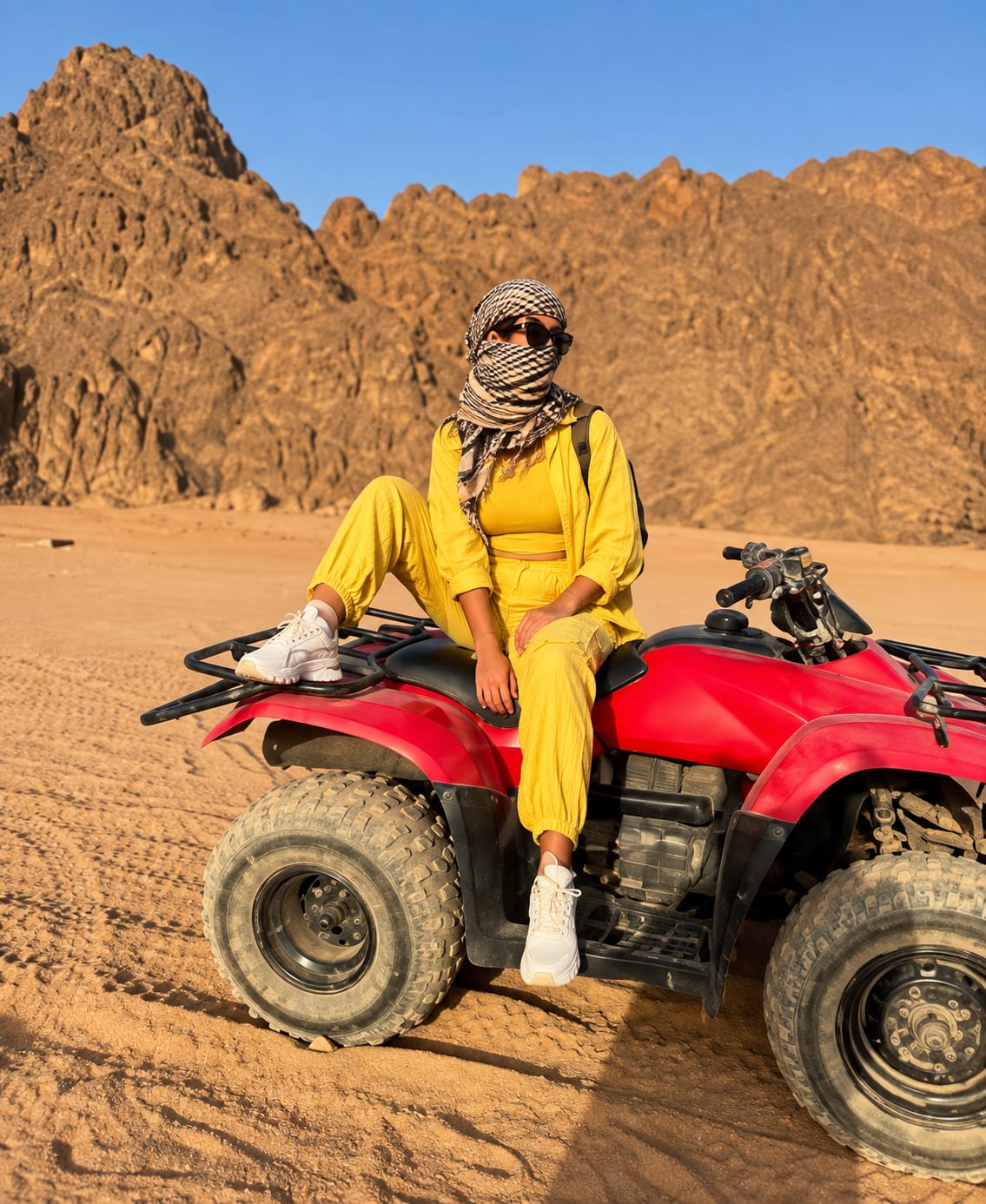
Dunes and low hills in the desert behind Hurghada
Practical notes
Carry small Egyptian pound notes; very little in El Dahar will break a large one, and the easiest thing you can do on arrival is get change at the hotel. Agree taxi fares before you get in — ride-hailing coverage in Hurghada is patchy and not a reliable fallback. Friday is the quiet day for offices and some shops, though the souk and the marina are unaffected. And if you are booking several day tours with us, ask the team to group the transfers: it usually removes an hour of hotel-circuit pickups across the week.